

Himachal Pradesh & Uttarakhand- Mountains Are Not Calling But Crying!

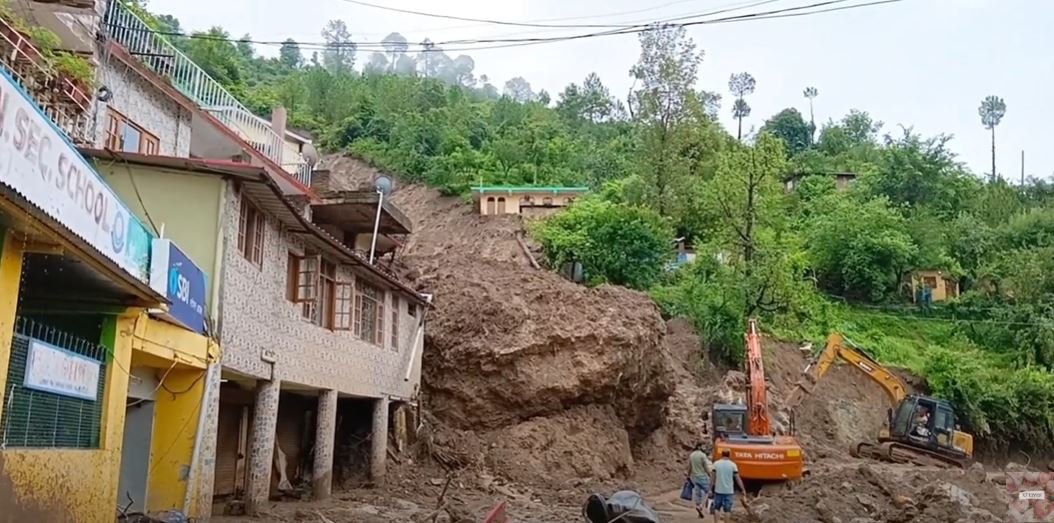
Called as ‘Devbhoomi’ or ‘Land of Gods,’ Himachal Pradesh & Uttarakhand are now facing the curse of God. Over the past two to three years, mainly these two states have been facing major landslides, frequent cloud bursts, loss of lives, and loss of property, which is very devastating.
Whose Fault Is It?
Many believe that it is the act of God, but really, is it so? Many experts have confirmed that it is due to human activities in the name of development. The extensive cutting of rocks at the foothills and irrelevant cutting of mountains for constructing roads or four lanes just to attract more tourists is considered the main reason for such a disaster.
The weather conditions are so severe here. Summers are extremely hot, the rainy season is too rainy, and winters are bone-chilling here! A few years back, the condition was not the same! The mountains were really welcoming, the temperature was also good in every weather, but due to irrelevant human activities, these states have become a land of disasters.
Over the years, major areas affected by the disaster are Solan, Shimla, Mandi, Chamba, Kinnaur in Himachal Pradesh, and Uttarkashi, Chamoli, Tehri Garhwal, and Pithoragarh in Uttarakhand.
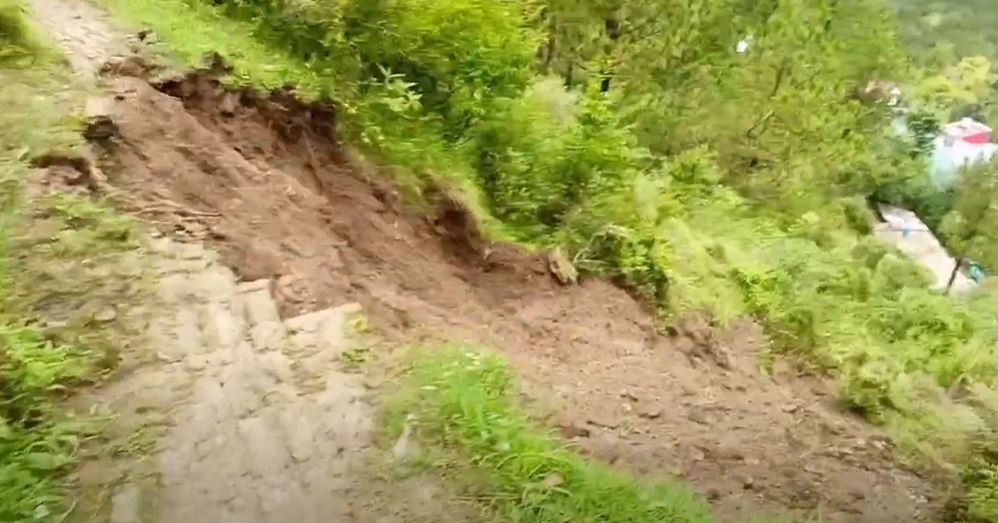
People of Himachal Pradesh & Uttarakhand can only cry over the situation as the government has failed badly to take preventive measures to control it. Why are they not putting a full stop to these constructions? Why is tourism preferred over the lives of people? Why do common people always suffer? How these constructions are approved by the state governments even after knowing that these are special zones and very fragile zones. No one has the answer but only the questions!
But only the government should be blamed, or is someone else also responsible? The answer is yes, apart from the government, various businessmen who only aim to maximise their profits by building hotels, homestays, and other buildings to entertain more tourists are also responsible. They are not only risking the lives of tourists but also their own people. ((Peoples Democracy))
Fragile Nature of the Himalayan Region
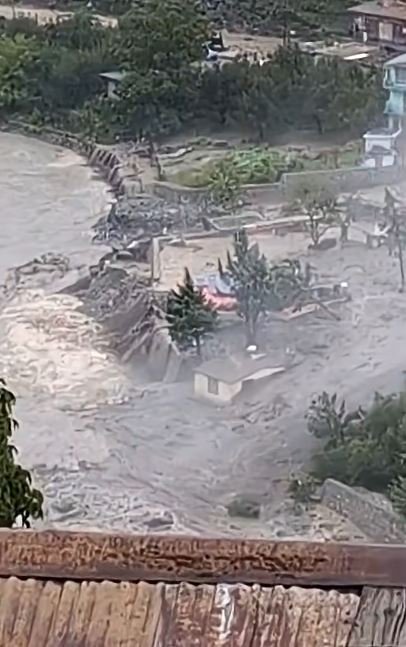
Environmental experts and geologists have repeatedly warned that the Himalayan region is one of the youngest and most fragile mountain systems in the world. Unlike older mountain ranges, the Himalayas are still tectonically active, making them highly sensitive to disturbances caused by heavy construction, blasting, and unplanned urban expansion. Even minor alterations to the natural slope balance can trigger large-scale landslides and slope failures.
Scientific Evidence and Geological Warnings
Scientific studies conducted by institutions such as the Geological Survey of India (GSI) and various IITs have indicated that reckless slope cutting, tunnel construction, and excessive load on mountain terrain significantly weaken the geological structure. When combined with intense rainfall events, the risk multiplies rapidly, resulting in sudden disasters that leave little time for warning or evacuation.
Role of Deforestation and Loss of Green Cover
Another major factor worsening the situation is deforestation in Himachal Pradesh & Uttarakhand. Large patches of forest cover have been removed over the years to make way for roads, hotels, hydropower projects, and urban settlements. Trees play a critical role in holding soil together through their root systems. Once these roots are removed, the soil becomes loose and highly vulnerable to erosion, especially during monsoon rains.
Climate Change and Extreme Weather Events
Climate change has further intensified the frequency and intensity of extreme weather events in these regions. Cloudbursts, which were once rare, have now become more frequent. Warmer atmospheric conditions hold more moisture, leading to sudden and excessive rainfall over small areas. These intense downpours overwhelm drainage systems, trigger flash floods, and destabilize mountain slopes within minutes.
Impact of Hydropower and Infrastructure Projects
Hydropower projects, which are often promoted as clean energy solutions, have also contributed to ecological stress in both Himachal Pradesh and Uttarakhand. The construction of dams, tunnels, and powerhouses involves large-scale excavation and diversion of natural water channels. This disrupts underground water flow, increases seepage, and weakens rock formations, making surrounding areas more prone to collapse.
Unplanned Urbanization in Hill Towns
Urban planning in hill towns has largely ignored carrying capacity assessments. Cities like Shimla, Mussoorie, and Joshimath have expanded far beyond what their natural terrain can safely support. Overcrowding, inadequate sewage systems, and unchecked construction have placed enormous pressure on already fragile ecosystems. In many cases, buildings have been constructed without proper geological surveys or adherence to safety norms.
Social and Human Cost of Repeated Disasters
The social impact of these disasters is equally severe in Himachal Pradesh & Uttarakhand. Families lose their homes, livelihoods, and loved ones in a matter of moments. Farmers suffer irreversible damage to their land, while small businesses dependent on tourism face long-term economic uncertainty. Repeated disasters also lead to psychological trauma, displacement, and a growing sense of insecurity among local residents.
Gaps in Disaster Management and Preparedness
Disaster management mechanisms, although improved over the years, still face significant limitations. Early warning systems are not uniformly available across remote regions. Communication breakdowns during extreme weather events often delay rescue and relief operations. Many villages remain cut off for days due to road collapses, further increasing casualties and hardship.
Need for Sustainable Development Practices
Experts stress that sustainable development is the only viable path forward. Development does not mean stopping progress entirely but aligning it with ecological realities. This includes adopting hill-specific construction techniques, limiting high-rise buildings, using lighter construction materials, and enforcing strict environmental impact assessments before approving projects.
Importance of Community Participation
Community participation is also essential in mitigating disaster risks. Local knowledge about terrain behavior, water flow, and seasonal patterns can provide valuable insights for planning and prevention. Involving local residents in decision-making processes ensures that development projects are both practical and environmentally responsible.
Role of Responsible Tourism
Tourists also have a role to play in Himachal Pradesh & Uttarakhand. Responsible tourism practices, such as avoiding littering, respecting ecological limits, and supporting eco-friendly accommodations, can reduce environmental stress. Awareness among visitors about the fragility of the Himalayan ecosystem can help shift demand away from unsustainable infrastructure.
A National Responsibility to Protect the Himalayas
Ultimately, the disasters unfolding in Himachal Pradesh & Uttarakhand are not sudden or unavoidable. They are the result of long-term neglect, short-term profit-driven decisions, and a failure to respect natural boundaries. Without immediate corrective action, these regions may face even more frequent and severe calamities in the future.
Protecting the Himalayas is not just a regional responsibility but a national priority. These mountains regulate climate, support major river systems, and sustain millions of lives downstream. Preserving their ecological balance is essential for the safety, stability, and well-being of present and future generations.
Everyone knows and openly talks about this problem in Himachal Pradesh & Uttarakhand. But what are the solutions?
- The first step is to measure the soil of the area before constructing any building, whether it is a house, resort, or government building.
- Avoid making buildings near steep slopes, mountain edges, drainage, or naturally eroded valleys.
- Retaining walls should be made.
- Preplan an evacuation plan with an emergency kit.
- Be alerted during the rainy seasons.
- The government also needs to keep a strict check on construction and avoid approving unnecessary four-lane and road construction.
Let’s pray for the safety and healthy life of people of Himachal Pradesh & Uttarakhand. May all the souls who have lost their lives rest in peace, and god give strength to their family members to come out of such a trauma.
Reaction of Celebrities to the Disaster
Various Bollywood celebrities like Preity Zinta, Kangana Ranaut, Anupam Kher, Urvashi Rautela, Sara Ali Khan, Vivek Oberoi, and Bhumi Pednekar shared their grief on the loss of lives in such disasters.
read more articles like this: