

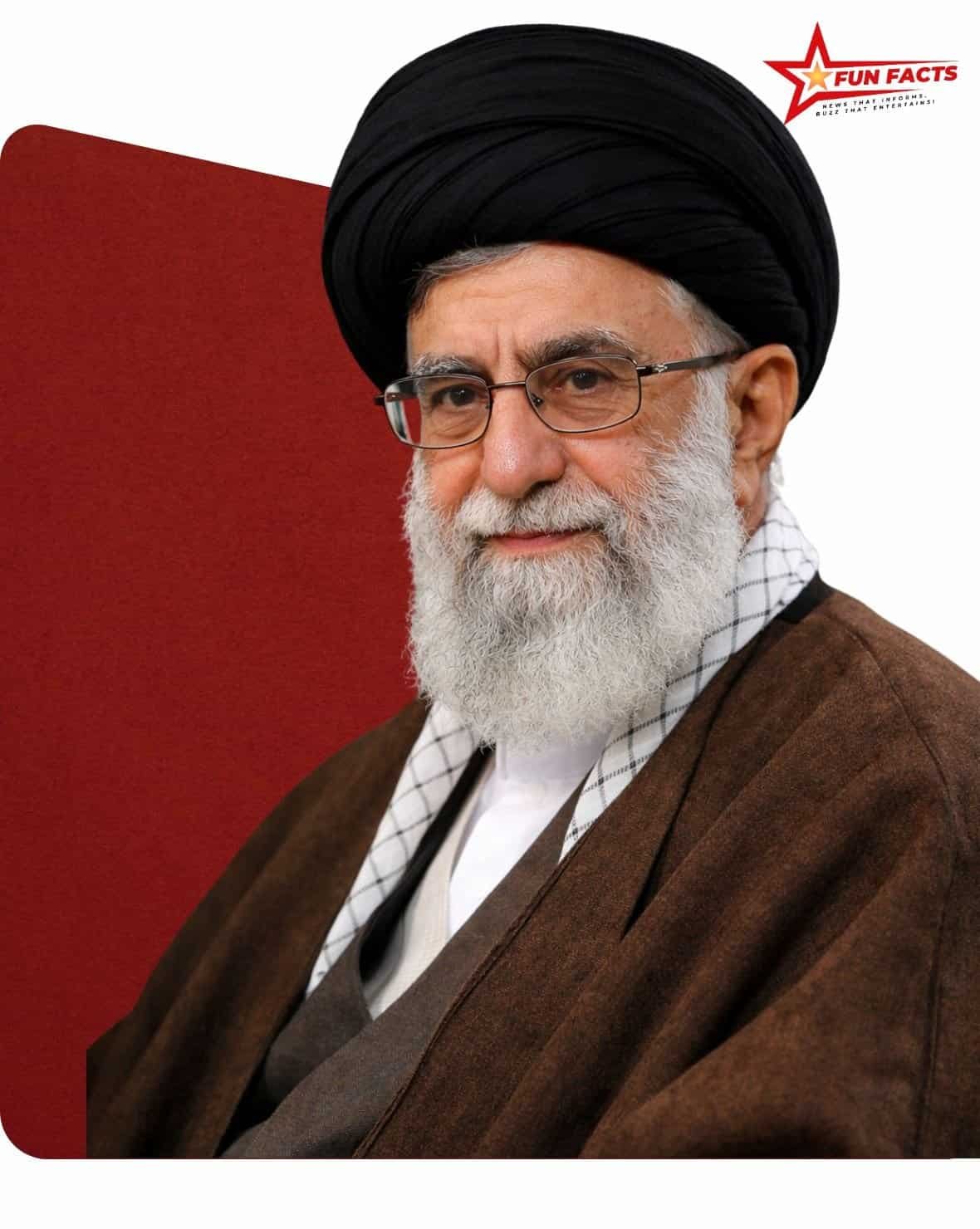
Ayatollah Ali Khamenei – Full Biography, What his death means, Who might succeed him, and how a new Supreme Leader is actually chosen?

Introduction
On 28 February 2026 Iran confirmed the death of Ayatollah Ali Khamenei, the country’s second Supreme Leader and a central figure in the Islamic Republic’s political system since 1989. State media announced an official mourning period after reports that U.S. and Israeli forces struck his compound in Tehran. The event not only closes a decades-long chapter of personal rule, it triggers an urgent and complex succession process whose outcome will shape Iran’s domestic politics and regional posture for years to come.
Early life and revolutionary rise
Understanding the Legacy of Ayatollah Ali Khamenei
Ali Khamenei was born in 1939 and became involved in clerical circles and anti-monarchy activism that culminated in the 1979 Islamic Revolution. He emerged as a trusted revolutionary figure and later served as Iran’s president (1981–1989) before being elevated to the post of Supreme Leader following the death of Ayatollah Ruhollah Khomeini. Over his tenure, Khamenei accumulated the immense powers associated with the Leader’s office and exerted a strong influence on Iran’s political, military, and religious institutions.
The nature of his rule
Khamenei’s leadership combined religious authority with political control. He oversaw a period in which Iran invested in asymmetric regional influence through partnerships with groups such as Hezbollah, supported the Syrian regime, and expanded the country’s nuclear program in ways that heightened tensions with the West. Domestically, Khamenei’s era saw recurring waves of protest and harsh repression, with larger demonstrations in 2009 and again in 2022 drawing international attention. His stewardship was therefore a mix of empowerment for loyal institutions and repression of political dissent.
The constitutional mechanism: Who picks the Supreme Leader?
Under the constitution, the “Assembly of Experts,” An 88-member body of clerics, has the legal authority to appoint (and if necessary dismiss) the Supreme Leader. The constitution enumerates qualifications, including high-level religious scholarship and suitable political and administrative capabilities. If the Assembly cannot identify a single qualified person, the constitution allows for a collective leadership arrangement. But the selector body itself is shaped by Iran’s political architecture: the Guardian Council vets candidates for the Assembly, meaning the process is legal on paper and filtered by networks of clerical and institutional influence in practice.
The Assembly’s practical power
Although Assembly members are elected by the public, the vetting process and the clerical nature of the institution mean it tends to reflect the broader conservative establishment. In a succession crisis, who chairs the Assembly and which factions control its committees can quickly determine the shortlist and the pace of the selection. For readers: think of the Assembly as the country’s “kingmakers” body — legally supreme in choosing the Leader, but practically interwoven with an unelected network of institutions.
Candidates and power blocs: The real contest
Multiple categories of candidate exist, and their chances depend less on street popularity than on elite acceptability:
Traditional clerical candidates: They have the doctrinal standing the constitution emphasizes. If the Assembly finds a jurist with the right profile, he could be elected quickly.
Security-backed continuity candidates: They may be preferred by the IRGC and allied conservative figures who prioritize regime stability and preservation of their privileges. Analysts have long warned that the IRGC is a powerful broker at moments of elite uncertainty.
Family or inner-circle figures: They have been discussed in international reporting as potential continuity options. Such choices can be contested on procedural and legitimacy grounds but could be pushed if the regime’s security infrastructure seeks a streamlined transfer.
Collective leadership or interim council is constitutionally possible but politically awkward, it could arise as a compromise if the Assembly is deeply fragmented.
Spotlights: People often mentioned in media coverage
The most commonly named figures in international reporting include:
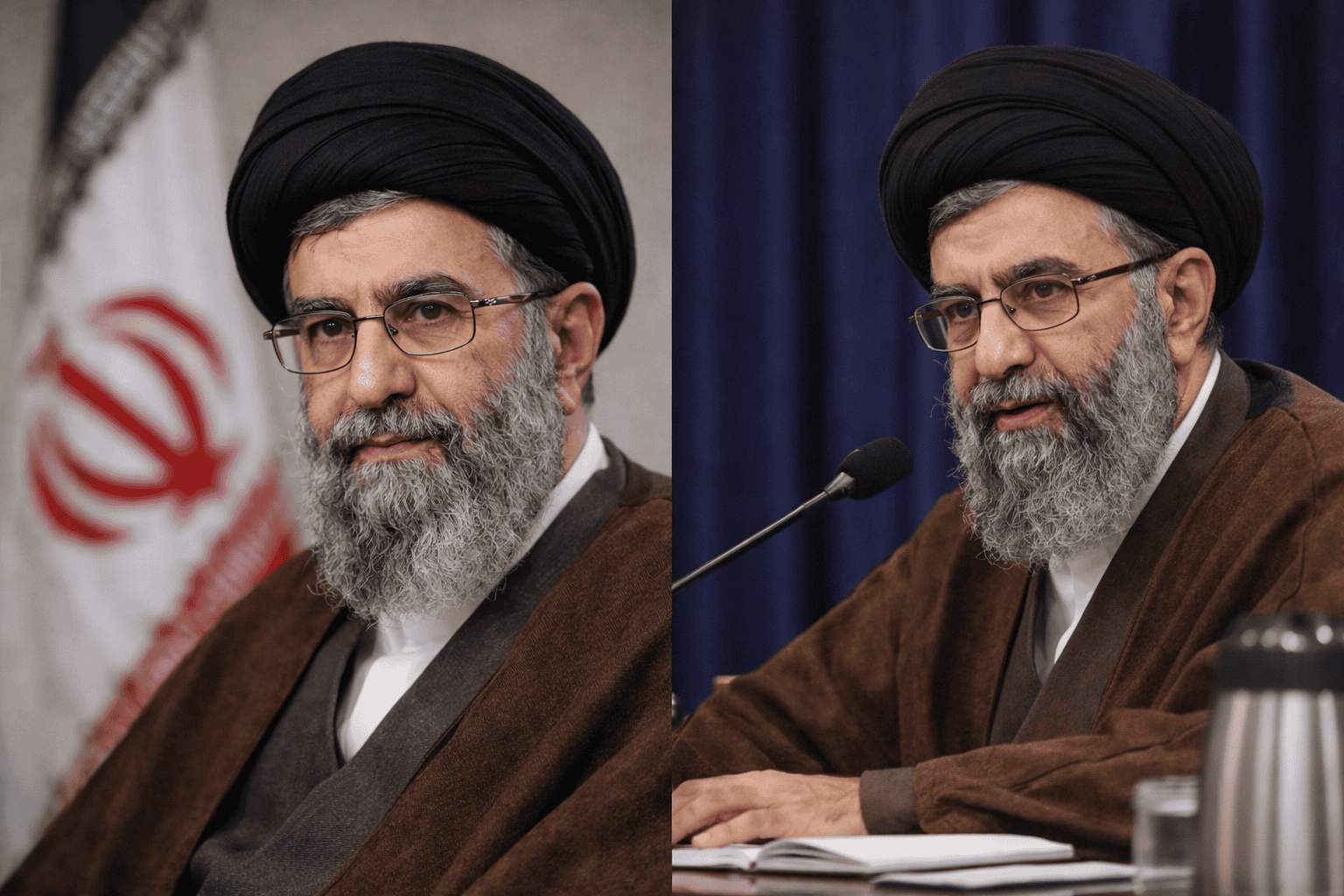
Mojtaba Khamenei (a son of the late Leader): Often described as influential behind the scenes with close security ties. His candidacy would be controversial but he is widely mentioned in analyses of continuity options.
Senior ayatollahs and clerical conservatives: Inside the Assembly, names vary by outlet and by internal caucus strength; the Assembly’s internal leadership is a key indicator to watch.
Scenarios and their likely consequences:
We can imagine several plausible outcomes: Continuity (a single leader acceptable to conservatives and the IRGC), a compromise council, or a contested security-dominated transition. Each scenario has consequences:
Continuity: The regime stays intact, foreign policy remains resistant, and internal repression may continue.
Council: Potential short-term stability but longer-term dysfunction and elite jockeying.
Security takeover / fragmentation: Risk of internal unrest, constitutional crisis, and possibly regional escalation.
What to watch next: Short checklist
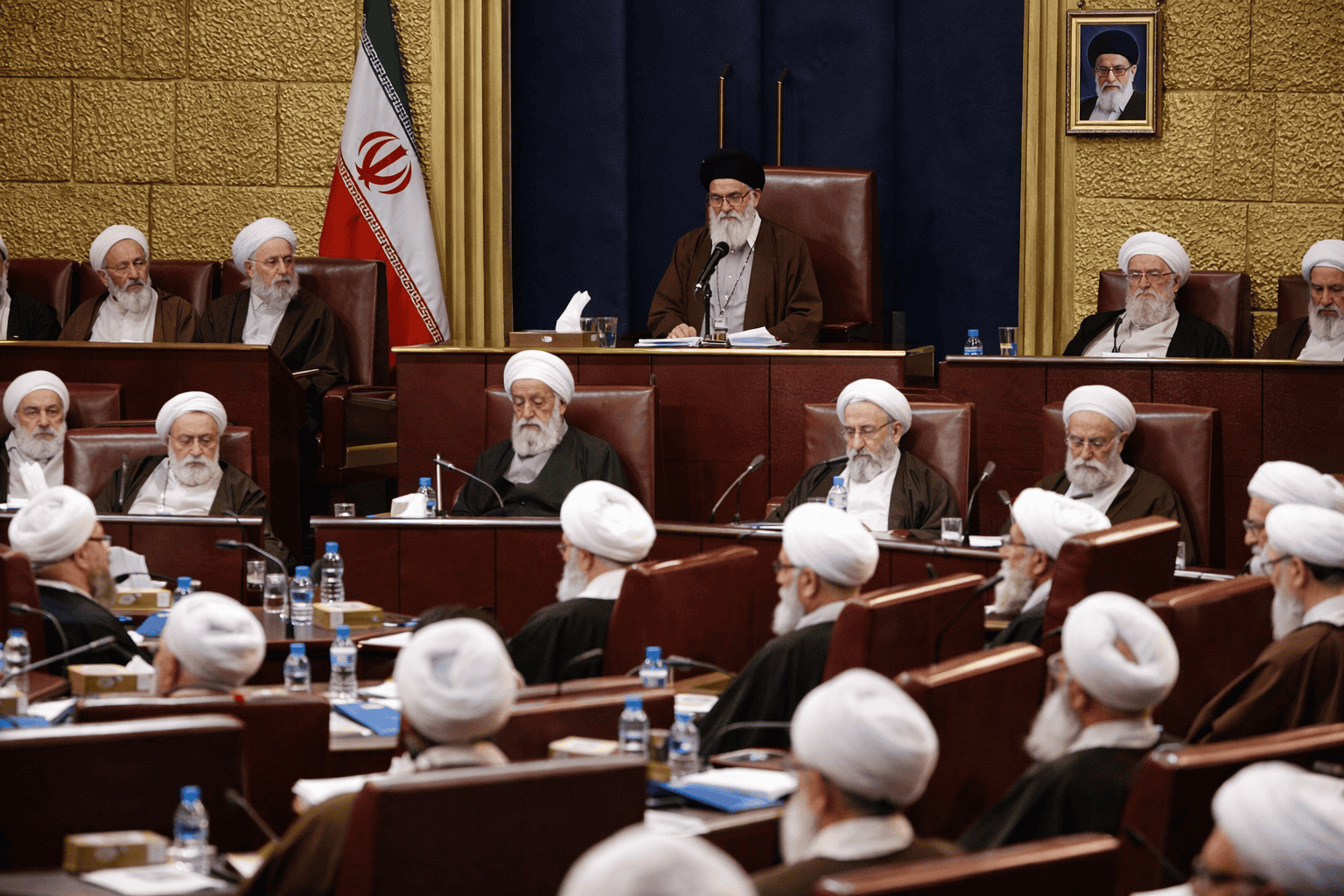
The Assembly of Experts’ meetings and official communiques will show the formal procedural moves.
Statements from the IRGC and senior judiciary/president, their alignment will foreshadow backbone support.Which clerics publicly signal support or neutrality, consolidating endorsements inside the Assembly matters.International responses and regional escalations of external pressure can complicate internal calculations.
Source: aljazeera
What This Leadership Transition Means for Iran and the World:
The death of a long-serving Supreme Leader is both an internal constitutional event and a geopolitical one. How Iran’s elites manage succession will determine the regime’s durability, the IRGC’s domestic and regional role, and the trajectory of Iran’s foreign policy.
Also read who are the children of nicolas madro
FAQs: Iran Supreme Leader & Succession Explained
Who was the Supreme Leader of Iran before his death?
Answer: The Supreme Leader of Iran was “Ali Khamenei”, who held the position from 1989 until his death in 2026. He was the most powerful authority in Iran, overseeing the military, judiciary, and key political institutions.
What happens after the death of Iran’s Supreme Leader?
Answer: After the death of a Supreme Leader, Iran’s constitution mandates that the “Assembly of Experts” convene to select a new leader. Until a final decision is made, key state institutions continue functioning under constitutional continuity mechanisms.
Who chooses the next Supreme Leader of Iran?
Answer: The next Supreme Leader is chosen by the “Assembly of Experts”, an 88-member clerical body elected indirectly by the public. This body has the sole constitutional authority to appoint or remove the Supreme Leader.
What are the qualifications to become Iran’s Supreme Leader?
Answer: According to Iran’s constitution, a Supreme Leader must:
Be a senior Islamic jurist (cleric)
Have strong knowledge of Islamic law
Possess political and administrative capability
Be considered morally upright and wise
If no single candidate meets all criteria, a leadership council may be formed.
Can Iran have more than one Supreme Leader at the same time?
Answer: Technically yes. Iran’s constitution allows for a “Collective leadership council” if no single qualified cleric is agreed upon. However, Iran has never permanently used this model, and it is generally considered a last-resort option.
Is the President of Iran involved in choosing the Supreme Leader?
Answer: No. The President of Iran does not choose the Supreme Leader. The role of the President is separate and subordinate to the Supreme Leader. However, the President may influence political consensus indirectly.
Is a family member of the former Supreme Leader allowed to become the next leader?
Answer: There is “no constitutional ban” on a family member becoming Supreme Leader. However, the candidate must still be approved by the Assembly of Experts and meet religious and political qualifications. Such a decision could be controversial and politically sensitive.
How long does the Supreme Leader serve in Iran?
Answer: The Supreme Leader serves “for life”, unless removed by the Assembly of Experts due to incapacity or failure to meet constitutional requirements.
Does the Iranian public vote for the Supreme Leader?
Answer: No. The public does not directly vote for the Supreme Leader. Citizens vote for members of the Assembly of Experts, who then choose the Supreme Leader on their behalf.
Can the Supreme Leader be removed from power?
Answer: Yes. The Assembly of Experts has the constitutional authority to remove the Supreme Leader if he is found incapable of fulfilling his duties or no longer meets the required qualifications.