Kartik Aaryan’s Digital Identity Case Is a Bigger Deal Than It Looks

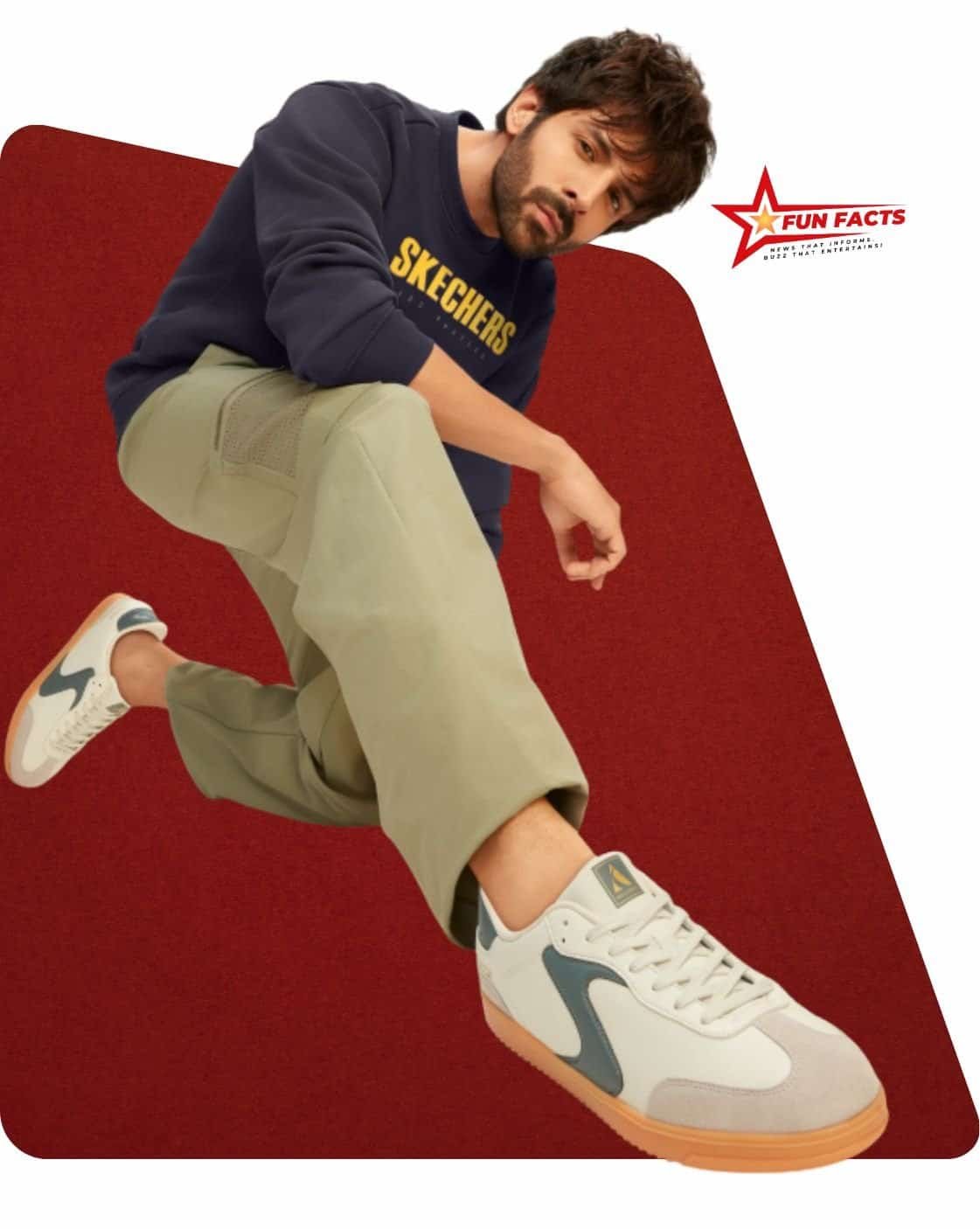
Kartik Aaryan went to the Bombay High Court to stop people from using his name, face, voice, and other identity markers without permission in 2026. The court has indicated it will pass an order to remove infringing online content. This was not just to gain popularity, it was about control over a public identity in the AI age.
Key Takeaways
- Kartik Aaryan is seeking protection against unauthorized commercial use of his identity online.
- His plea includes AI tools, deepfakes, fake ads, and unauthorized merchandise.
- The court trend in India now clearly favors quick protection when a celebrity’s persona is being misused for profit.
Fact Sheet
What Actually Happened?
Kartik Aaryan has filed an intellectual property suit against several Indian and international e-commerce and social media platforms. The plea says his identity is being used without consent on merchandise, advertisements, and other digital content, and it asks for a permanent stop on such use.
The request is broader than a simple takedown. He is also asking the court to stop people from using his photos, videos, voice, and other personal attributes for commercial purposes, including through AI tools and deepfakes. That detail matters because it shows the case is about modern identity theft, not just old-fashioned photo misuse.
The Bombay High Court, led by Justice Sharmila Deshmukh, has reportedly said it will pass an order to protect his personality rights and direct removal of infringing material online. That is the biggest short-term update in the case. ((The Times Of India))
Why This Matters?
What most people miss is that personality rights are not only about a celebrity’s face. They are about the full public persona: name, voice, image, likeness, catchphrase, and other traits that people connect with that person. In a recent Bombay High Court case involving Shatrughan Sinha, the court said these traits are protectable and linked the right to publicity with passing off under trademark law and moral rights under copyright law.
That is a big deal for two reasons. First, it gives courts a legal way to stop copycats even when India still does not have one single personality-rights law. Second, it shows how judges are adapting older laws to fit AI deepfakes, fake endorsements, and digital cloning.
The bottom line is this: if someone uses a celebrity’s identity to sell a product, push an ad, or spread manipulated content, courts are more willing now to treat it like a real commercial harm. That is why Kartik’s case is not just a celebrity story. It is a signal for how Indian law may handle digital identity misuse going forward.
The Overlooked Detail Most Readers Miss
The hidden angle here is the role of John Doe defendants. That means the lawsuit is not only aimed at named companies or pages. It is also built to catch unknown people who may be uploading, selling, or spreading the infringing material. For a case like this, that is important because the misuse can move fast across platforms, accounts, and fake stores.
Another overlooked detail is that the legal fight is not only against obvious fake fan content. Recent reporting and court discussion show that the alleged misuse includes merchandise, commercial ads, and AI-generated or manipulated material. That means the problem is wider than memes. It is about money-making using someone else’s identity.
Why Celebrities Are Pushing These Cases Now
AI has changed the game. A fake voice clip, a face-morphed video, or a fake promo post can now look real enough to fool viewers in seconds. Courts are starting to treat that as a serious threat to dignity, reputation, and commercial value, especially when the content is sold, boosted, or used in ads.
There is also a money angle. If a fake ad uses Kartik Aaryan’s image to sell a product, the creator of that ad can profit while the actor gets no control, no approval, and no payment. That is why personality rights are becoming a major legal shield for public figures in India.
The Bottom Line
Kartik Aaryan’s case is really about one question: who controls a celebrity’s digital identity? The latest reports show the Bombay High Court is leaning toward quick protection, and the legal trend in India is moving toward stronger safeguards against AI misuse, fake endorsements, and unauthorized commercial use.
You can also read about the famous actress Sunny Leone.
FAQs
Why did Kartik Aaryan go to court?
He went to court to stop unauthorized use of his name, image, voice, and other identity markers for commercial gain, including on merchandise, ads, and digital platforms.
How do personality rights help him?
They let him ask the court to block misuse of his public persona and to remove infringing content, including AI-made or manipulated material.
When did the latest update happen?
The latest reported update came on April 15, 2026, when the Bombay High Court said it would pass an order to protect his personality rights.
Why is AI such a big issue in this case?
Because AI can copy or fake a person’s face and voice fast, cheaply, and at scale, which makes identity misuse easier to spread and harder to control. The court discussion in recent personality-rights cases shows this is now a major legal concern.
Can anyone use a celebrity’s photo or name without permission?
No, not for commercial purposes. In simple terms, if someone uses a celebrity’s face, name, or voice to sell products, run ads, or make money, it can violate personality rights. However, limited use in news reporting, parody, or public discussion may still be allowed under freedom of speech.
What can the court actually do in such cases?
The court can pass orders to remove (takedown) content, block websites or links, and stop further misuse of the celebrity’s identity. In some cases, it can also allow the celebrity to claim damages (financial compensation) if they suffered loss due to unauthorized use.
Is there a specific law for personality rights in India?
No, India does not have a single dedicated law for personality rights yet. Courts protect these rights using a mix of laws like trademark (passing off), copyright, and the right to privacy. In simple terms, judges are building the rules case-by-case, especially as new issues like AI misuse are rising.
Will this case impact other celebrities and influencers?
Yes, very likely. The bottom line is, if the court strongly protects Kartik Aaryan’s rights, it will set a powerful precedent. This can help other celebrities, influencers, and even content creators take action against fake ads, deepfakes, and unauthorized brand promotions using their identity.