

The Success Story of the iPhone Revolution

The iPhone isn’t just another smartphone; it’s an icon. Apple founder Steve Jobs has made the iPhone a mobile loved by all. The very first iPhone came out in 2007, and ever since, Apple’s been releasing new models nearly every year. Here’s the story of how the iPhone began, how it’s changed, and why each version stands out, from that original iPhone to the latest iPhone 17.
iPhone Revolution
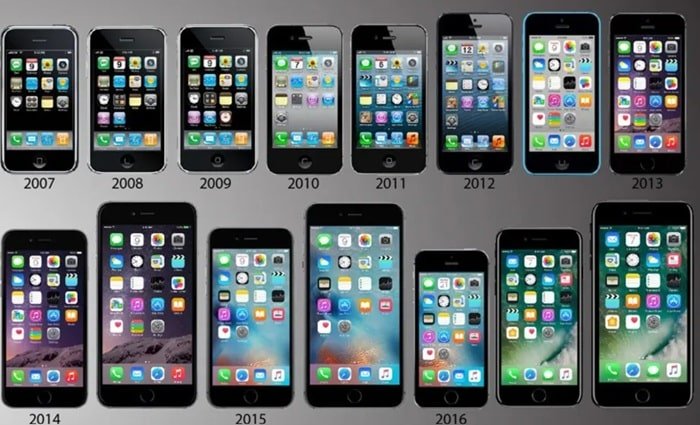
iPhone (2007)
Steve Jobs took the stage on January 9, 2007, and changed everything. He called the iPhone a mix of an iPod, a phone, and an internet communicator, all in one device. Back then, most phones were tiny, cramped, and full of buttons. The iPhone removed all that. The phone had a touchscreen and no physical keyboard.
Just tap and swipe. The first iPhone packed a 3.5-inch display, a 2-megapixel camera, and you could pick from 4GB, 8GB, or 16GB of storage. It got online through Wi-Fi or EDGE. You could play music, check the web, and look at photos. ((BBC))
iPhone 3G (2008)
This phone looked a lot like the first one, but it ran on faster 3G networks, so surfing the web actually felt quick. The big deal, though? The App Store arrived. Suddenly, you could grab new apps and games right from your phone. It made the iPhone way more useful and, honestly, a lot more fun.
iPhone 3GS (2009)
The “S” stood for Speed, and it delivered. Everything felt snappier. This one could finally record videos, and the camera jumped up to 3 megapixels. Voice control showed up, too. For a lot of people, the 3GS is what made the iPhone a global hit.
iPhone 4 (2010)
This phone was a leap forward. It showed up with a sleek glass-and-steel body, a sharp new Retina Display. For the first time, a front camera. FaceTime video calling made its debut. The design was so good, people still talk about it. It really set a new standard.
iPhone 4S (2011)
Looks-wise, it was a twin to the iPhone 4, but the changes inside mattered. The 4S brought Siri to the world. You could talk to your phone and it would answer back or do what you asked. Right after Apple announced the 4S, Steve Jobs passed away. That was a turning point, and Tim Cook stepped in as Apple’s CEO.
iPhone 5 (2012)
This phone became taller and lighter. It had a 4-inch screen and a new Lightning connector instead of the old 30-pin charger. It supported 4G LTE, making internet browsing even faster.
iPhone 5S and 5C (2013)
Apple released two versions this year:
• iPhone 5S– added Touch ID, a fingerprint sensor built into the Home button.
• iPhone 5C– made of colorful plastic, cheaper than 5S.
Touch ID became a key feature for unlocking phones safely.
iPhone 6 and 6 Plus (2014)
People wanted bigger phones, so Apple made two sizes:
• iPhone 6 (4.7 inches)
• iPhone 6 Plus (5.5 inches)
They had rounded edges and thinner bodies. They also supported Apple Pay, a new way to pay using your phone.
iPhone 6S and 6S Plus (2015)
These looked similar but added 3D Touch, which sensed how hard you pressed on the screen.
They had a 12MP rear camera and could shoot 4K videos. Apple also improved the strength of the body to stop it from bending easily.
iPhone SE (2016)
Apple made the iPhone SE (Special Edition) for people who liked smaller phones. It looked like the iPhone 5S but had the powerful parts of the 6S. It was also more affordable and very popular.
iPhone 7 and 7 Plus (2016)
These models brought big changes:
• Removed the headphone jack: users had to use wireless or Lightning headphones.
• Water-resistant design
• The 7 Plus had two cameras for portrait photos.
This started Apple’s journey into high-quality smartphone photography.
iPhone 8 and 8 Plus (2017)
It had a glass back that allowed wireless charging. The camera, processor, and display were all improved.
iPhone X (2017)
To celebrate the 10th anniversary of Apple, the company skipped iPhone 9. The iPhone X (said “iPhone Ten”) was one of the biggest updates ever.
Main features:
• Edge-to-edge OLED display
• No Home button
• Face ID for unlocking with your face
It was the start of a new design style for all future iPhones.
iPhone XR, XS, and XS Max (2018)
In 2018, Apple released three models:
• iPhone XS– improved performance and better camera
• iPhone XS Max– larger version of the XS
• iPhone XR– cheaper model with colorful options and LCD screen
Face ID got faster, and battery life improved a lot.
iPhone 11, 11 Pro, and 11 Pro Max (2019)
The phone brought new camera systems:
• iPhone 11-dual cameras (wide and ultra-wide)
• iPhone 11 Pro/Pro Max- triple cameras
They could take better photos in low light using Night Mode. The A13 chip made them fast and power-efficient.
iPhone SE (2nd generation, 2020)
Apple again released a small, low-cost model, the iPhone SE (2020) which looked like the iPhone 8 but had the powerful A13 chip from the iPhone 11. This was perfect for people who wanted a smaller iPhone.
iPhone 12 Mini, 12, 12 Pro, 12 Pro Max (2020)
The series had a fresh, boxy design like the older iPhone 5.
Key features:
• 5G support for faster internet
• Ceramic Shield front glass (stronger protection)
• MagSafe magnets for easy wireless charging and accessories
Apple also brought back colorful designs with the Mini model.
iPhone 13 Mini, 13, 13 Pro, 13 Pro Max (2021)
The series improved battery life and cameras. The Pro models had:
• ProMotion display (smoother 120Hz screen)
• Cinematic Mode for video
• Macro photography
The Mini was still available, but Apple later stopped making it because fewer people wanted small phones.
iPhone SE (3rd generation, 2022)
The phone had the same design as before but added the A15 chip and 5G support. It was again an affordable choice with great performance.
iPhone 14, 14 Plus, 14 Pro, and 14 Pro Max (2022)
This series introduced several new things:
• Crash Detection that calls for help if you’re in an accident
• Emergency SOS via satellite
• The Pro models got a new design called Dynamic Island, a smart area at the top of the screen that shows notifications and live updates.
• Always-On Display for quick info at a glance.
It also improved camera sensors and low-light photos.
iPhone 15 and 15 Plus (2023), iPhone 15 Pro and 15 Pro Max (2023)
The series switched from Apple’s Lightning port to the USB-C port, just like most laptops and Android phones.
Main upgrades:
• Dynamic Island for all models (not just Pro)
• Better cameras
• A16 and A17 Pro chips for higher performance
• The Pro models used a Titanium frame, making them lighter and stronger.
The iPhone 15 Pro Max landed with a 5x zoom telephoto lens, so snapping sharp shots from a distance just got a whole lot easier.
iPhone 16, 16 Plus, 16 Pro, and 16 Pro Max
The new A18 chip is in the iPhone 16 and 16 Plus, which means everything runs faster. The cameras now have bigger sensors, so your low-light photos appear clearer. There’s a new Capture Button on the side, so taking pictures and videos feels a lot more natural. Plus, the battery lasts longer.
The 16 Pro and 16 Pro Max step it up a notch with the A18 Pro chip. It’s even faster, especially for AI stuff. These models stay cooler, work more efficiently, and Siri got a major upgrade thanks to Apple’s on-device intelligence. The Zoom camera is even more powerful, and the screens are brighter.
Apple paid attention to the planet. The new phones use recycled metals, and there’s less plastic in the packaging.
iPhone 17
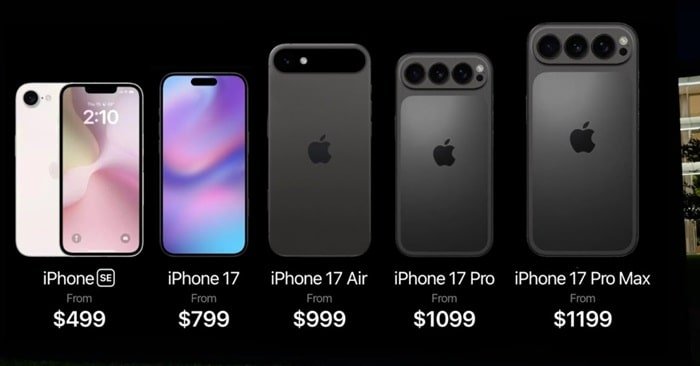
In 2015, the iPhone 17 series was introduced. It included:
- Apple iPhone SE: Budget-friendly with A15 Bionic chip, 5G support, classic home-button design, and single 12 MP rear camera.
- Apple iPhone 17: Flagship standard model, 6.3″ Super Retina XDR display with 120Hz ProMotion, A19 chip, dual 48 MP rear cameras, improved durability.
- Apple iPhone 17 Air: Premium build version: lighter/thinner design, often a titanium frame, high-end chip (A19 Pro), and same 120Hz display. (Exact specs still partially rumoured)
- Apple iPhone 17 Pro: Top-tier model: 48 MP triple-camera system (including telephoto), premium materials, 120Hz display, best for photography and power users.
- Apple iPhone 17 Pro Max: The largest and most feature-rich variant. Same high-end specs as Pro plus bigger display, potentially better battery, maximum zoom & camera setups.
Apple has never failed to impress its users with new, amazing features. The royal look of the phone has made it a favorite of many people.