

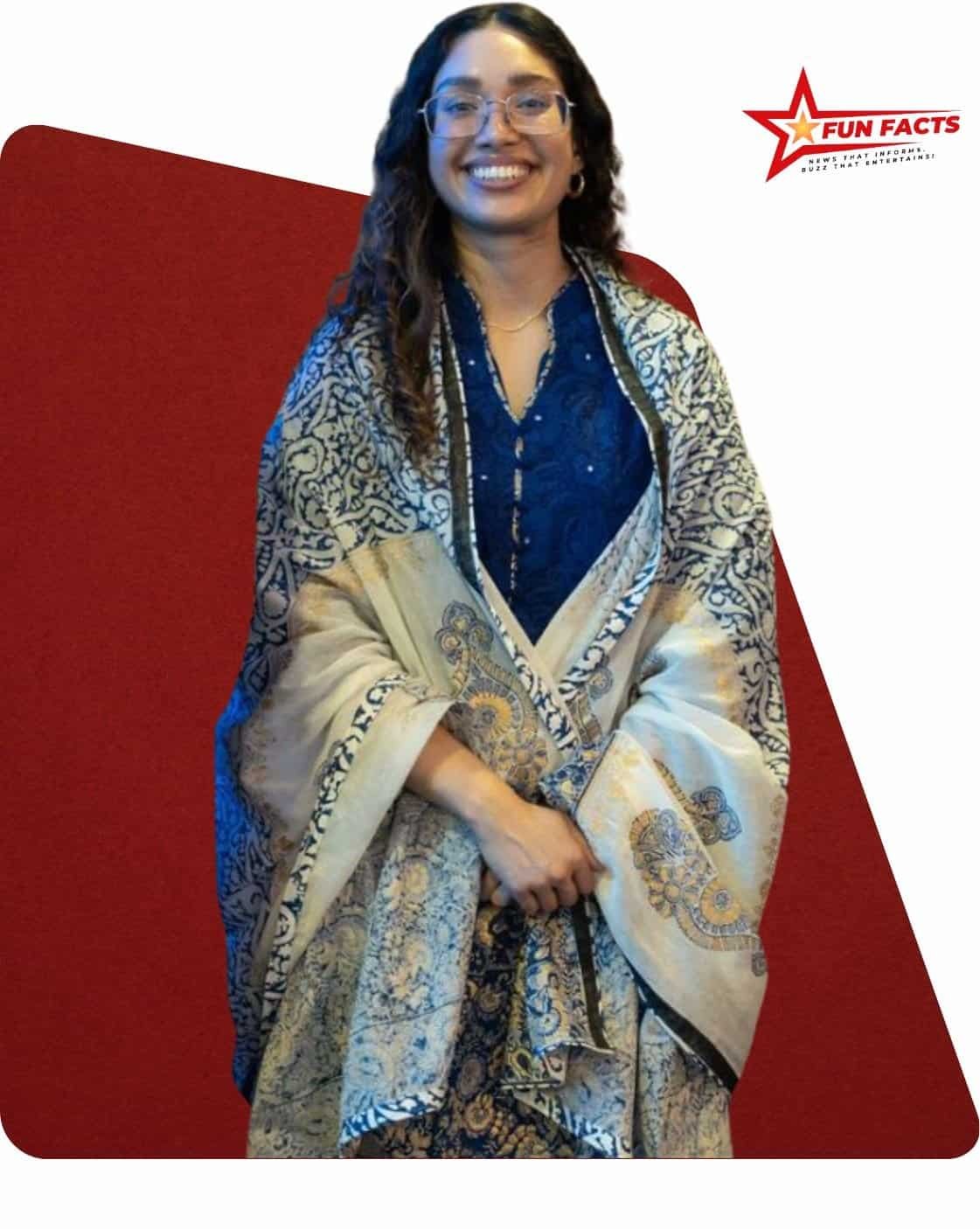
Zaima Rahman: Biography, 2026 Rising Political Influence

Zaima Rahman was born on 26 October 1995 in Dhaka, Bangladesh, into one of the country’s most influential political families. She is the daughter of Tarique Rahman and Dr. Zubaida Rahman, and the granddaughter of former Prime Minister Khaleda Zia and former President Ziaur Rahman. Her family has played a defining role in Bangladesh’s political development since the late 1970s, particularly through the Bangladesh Nationalist Party (BNP).
Table Of Content
Zaima Rahman Early Life
Growing up in Dhaka, Zaima spent her early years in an environment closely connected to national politics. Her childhood coincided with periods of intense political competition in Bangladesh, which shaped public discourse around her family.
In 2008, amid shifting political circumstances and legal challenges involving her father, she moved to London with her family. This relocation marked a turning point, as she continued her education and personal development in the United Kingdom while remaining linked to Bangladesh’s political narrative.
Education and Legal Career
Zaima Rahman pursued her early education at the International School Dhaka before continuing her higher studies in the United Kingdom. She later enrolled at Queen Mary University of London, where she completed a degree in law.
Her academic training in one of the UK’s respected institutions provided her with exposure to international legal systems, constitutional frameworks, and global governance principles.
In 2019, she was called to the Bar at Lincoln’s Inn, one of the four Inns of Court in England and Wales. Being called to the Bar signifies formal qualification as a barrister, enabling her to practice law in the UK jurisdiction.
This professional achievement established her independent identity beyond her political lineage. Her legal background is often highlighted in discussions about her public persona, as it reflects structured training in advocacy, reasoning, and public communication.
Although detailed public information about her active legal practice remains limited, her credentials as a barrister continue to be a central part of her profile. Supporters frequently describe her as educated and internationally oriented, qualities considered valuable in contemporary political leadership.
Entry into Public Life
For much of her early adulthood, Zaima maintained a relatively low public profile. Unlike many political heirs who enter politics at a young age, she initially focused on academic and professional pursuits.
However, her presence at political events gradually became more visible, particularly during key moments involving her grandmother and father. Her early public exposure included accompanying Khaleda Zia to polling stations and election-related activities.
While these appearances were largely symbolic, they contributed to public familiarity with her as a member of a prominent political household. Over time, her engagement shifted from being a passive observer to a more active participant in political events.
Growing Role in the Bangladesh Nationalist Party (BNP)
Zaima Rahman’s involvement with the Bangladesh Nationalist Party became more evident as the party sought to highlight generational continuity. Although she does not currently hold an official position within the BNP, her participation in internal meetings and public events has drawn considerable media attention.
Her first appearance at a BNP meeting was widely reported, as it marked a symbolic step into direct party engagement. In Bangladesh’s political culture, attendance at party gatherings signals alignment with organizational strategy and grassroots leadership.
Observers interpreted her presence as part of a gradual introduction to active politics. The BNP has historically relied on strong leadership figures, and discussions about succession and generational transition are often central to political commentary.
Within this context, Zaima’s emerging visibility is frequently viewed as part of a broader strategy aimed at renewing the party’s image and appealing to younger demographics. ((Dhaka Tribune))
International Representation and Diplomatic Exposure
A significant milestone in her public engagement came when she attended the National Prayer Breakfast in Washington, D.C. Representing her father, she participated in discussions attended by international policymakers, diplomats, and political leaders.
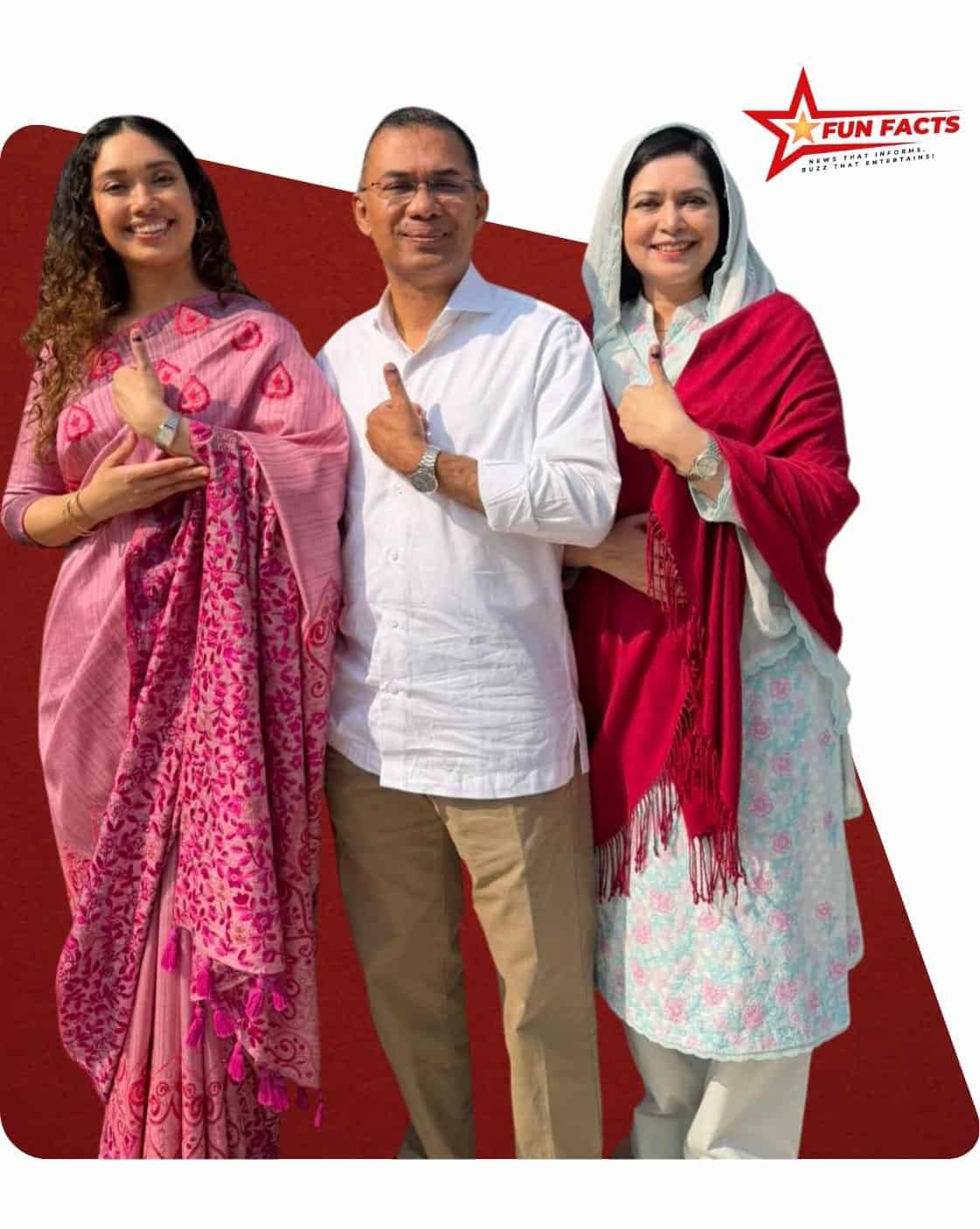
The event provided her with exposure to global networks and highlighted her role as an informal representative of the BNP on an international stage. Her visit to Washington also included interactions with members of the Bangladeshi diaspora and international stakeholders.
Media coverage in Bangladesh described the trip as an important diplomatic exposure, reflecting her ability to engage beyond domestic political boundaries. Such experiences contribute to the perception of her as a globally informed political figure.
Campaign Activities in Dhaka-17
Zaima Rahman’s most visible political engagement occurred during campaign activities in the Dhaka-17 constituency. She actively sought support for her father by engaging directly with voters in areas such as Gulshan.
Reports described her visiting local shops, speaking with residents, and promoting the BNP’s electoral symbol, the Sheaf of Paddy. These campaign efforts marked a transition from symbolic appearances to active grassroots outreach.
In Bangladesh, direct voter interaction plays a crucial role in shaping electoral perception. Her campaign activities demonstrated a willingness to connect personally with constituents, rather than remaining solely within elite political circles.
Political analysts noted that her approach appeared measured and composed, reflecting her legal training. Her speeches and public interactions were generally characterized as structured and respectful, reinforcing an image of professionalism.
Public Perception and Political Context
Public reaction to Zaima Rahman’s growing political presence has been mixed. Supporters of the BNP often view her as an educated and modern representative capable of contributing to the party’s long-term strategy.
Her international education and legal credentials are seen as strengths that align with evolving voter expectations. Critics, however, interpret her emergence through the lens of dynastic politics, a phenomenon common in South Asia.
Debates surrounding political inheritance, meritocracy, and democratic processes frequently accompany discussions about leaders from established political families. Zaima Rahman’s profile therefore exists within a broader national conversation about continuity and change.
Future Prospects
As of now, Zaima Rahman has not contested any election or held public office. Her involvement remains centered on representation, campaigning, and party engagement. Whether she will formally seek elected office in the future remains uncertain.
Nonetheless, her trajectory suggests a gradual expansion of responsibilities. Her educational background, international exposure, and increasing public visibility position her as a figure to watch within Bangladesh’s political landscape.
In a country where political legacy often intersects with institutional leadership, her role may continue to evolve alongside the BNP’s strategic direction. Her profile represents a blend of inherited political identity and individual professional qualification.
As Bangladesh’s political environment adapts to generational change, figures like Zaima Rahman reflect the ongoing transition within established political movements.
You can also read about another rising politician Rohini Acharya
Frequently Asked Questions
Who is Zaima Rahman?
Zaima Rahman is a Bangladeshi barrister and emerging political figure associated with the Bangladesh Nationalist Party (BNP).
When was Zaima Rahman born?
She was born on 26 October 1995 in Dhaka, Bangladesh.
What is her educational qualification?
She studied law at Queen Mary University of London and was called to the Bar at Lincoln’s Inn in 2019.
Is Zaima Rahman an elected politician?
No, she has not contested any election or held public office so far.
What is her relationship with Khaleda Zia?
Khaleda Zia is her grandmother.
What role does she play in the BNP?
She participates in party events and campaigns but does not hold an official position.
Did Zaima Rahman attend international events?
Yes, she attended the National Prayer Breakfast in Washington, D.C., representing her father.
Where did she grow up?
She spent her early years in Dhaka before moving to London in 2008.
What constituency did she campaign in?
She campaigned in the Dhaka-17 constituency on behalf of her father.
What is Zaima Rahman known for?
She is known for her legal background and her growing involvement in Bangladeshi politics as part of a prominent political family.